From Concept to Completion: How Deck Builders Bring Your Vision to Life
Deck contractors serve a vital role in transforming outdoor spaces. They start by gaining insight into client requirements and tastes, directing them through available materials and design alternatives. This teamwork-based method ensures the completed structure reflects the homeowner's expectations. As the project advances, builders manage compliance requirements and copyright open communication. Yet, many may wonder what specific steps are involved in this process and how it impacts the overall outcome.
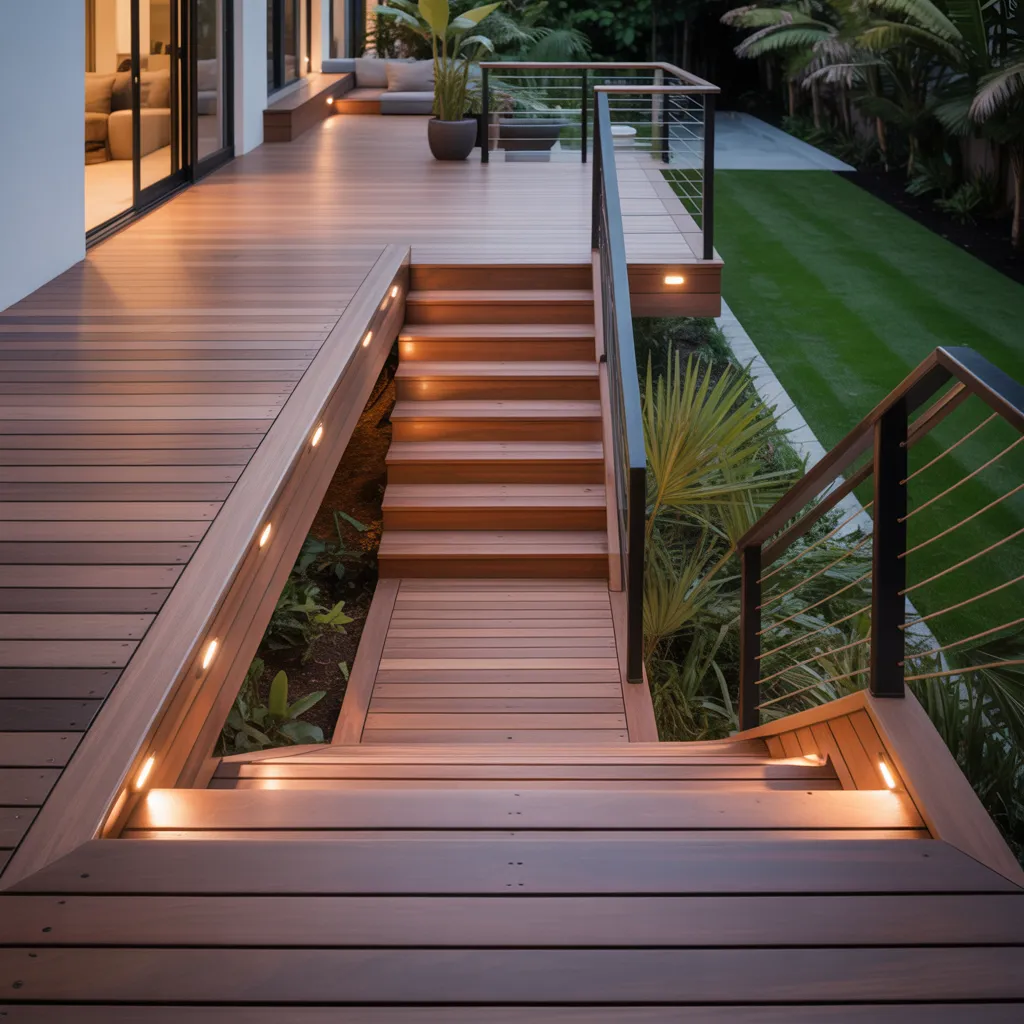
Key Questions to Help You Define Your Perfect Deck
When conceptualizing the perfect deck, what foundational elements should one consider? As a starting point, homeowners should consider their primary purpose for the deck. Is it for entertaining guests, sharing moments with loved ones, or simply relaxing in solitude? Recognizing the primary function significantly shapes design choices.
Next, the preferred layout and size must be established. This requires evaluating existing space and how the structure will work alongside existing structures and landscaping.
Additionally, one should evaluate the deck's sunlight exposure and orientation. This impacts daily comfort levels and determines the selection of materials.
Additionally accessibility is crucial; convenient access to the home and its surrounding spaces will improve functionality. By exploring these key questions, homeowners can establish a clear vision that sets the foundation for their ideal deck, ensuring it meets their lifestyle needs while harmonizing with the overall environment.
Picking Deck Materials for Your Dream Outdoor Living Space
Picking the right materials for a deck can significantly impact both its aesthetic appeal and lasting quality. Property owners frequently evaluate various options, including composite, wood, and PVC materials. Organic wood, such as redwood or cedar, offers a classic look and can be painted or stained to suit any style. However, it requires consistent care to protect against rot and splintering.
Composite products, a blend of plastic and wood fibers, deliver an easy-to-maintain option that is resistant to fading and staining. Their broad selection of colors and textures makes them an attractive choice for numerous applications.
PVC decking material, manufactured wholly from plastic, provides outstanding durability and moisture resistance, ensuring longevity in various climates.
Ultimately speaking, the choice of building materials should align with the home owner's preferences, financial plan, and maintenance needs, allowing for a personalized outdoor area that embodies their way of life background information while standing the test of time.
Developing Your Deck Design: Engaging With Industry Professionals
Turning a concept into a beautiful deck design typically necessitates collaboration with experienced professionals. Skilled deck builders and design experts partner with homeowners to comprehend their tastes, lifestyle, and visual objectives. This collaboration begins with an initial consultation, where ideas are exchanged and fundamental requirements are established.
Skilled specialists leverage their expertise to propose materials, layouts, and features that complement the homeowner's desired outcome while guaranteeing long-term functionality and durability. They often offer detailed 3D visualizations, helping homeowners to see the end result and make informed decisions.
Within the design process, transparent dialogue is crucial. Homeowners are invited to share their ideas and questions, while specialists deliver advice and expertise. This collaboration not only elevates creative potential but also simplifies the planning journey, ensuring that the final deck reflects the homeowner's unique style and needs. At its core, the joint effort fosters a natural progression from creative vision to a beautiful and functional outdoor retreat.
Deck Building Permits: Everything You Need to Know?
As the design process progresses, comprehending the regulatory environment becomes necessary for homeowners planning to build a deck. Building permits for decks are frequently necessary to guarantee compliance with local building codes and zoning laws. These permits preserve the structural stability and security of the deck, addressing factors like height, size, and location.
Homeowners should begin by reaching out to their local building department to determine particular requirements. The procedure generally requires submitting detailed plans, which describe the deck's design and materials. Furthermore, some localities may necessitate reviews at different stages of construction.
Failing to obtain the required permits may result in fines, mandatory removal, or delays in the construction process. It is advisable for homeowners to partner with experienced deck builders who are familiar with local regulations, facilitating a smoother shift from planning to completion and sidestepping potential complications associated with permitting.
What You Can Anticipate During the Deck Building Phase
In the deck construction stage, homeowners can anticipate a systematic approach that turns their plans into a finished structure. To begin, the site will be cleared and leveled to ensure a clean and stable foundation. The deck construction team will then map out the design based on the approved blueprints, identifying critical locations for posts and beams.
Subsequently, they will establish the base components, including posts and footings, which offer solid support. After the framework is established, the contractors will attach the joists and decking boards, maintaining correct spacing and alignment. Over the course of this process, homeowners and property owners can look forward to regular updates and communication from the deck builders, addressing any questions or concerns.
Safety remains a top priority, so professionals will follow local codes and regulations. Upon completion, once building is completed, a detailed review will confirm the deck complies with all established specifications, paving the way for the final details that will enhance the overall aesthetic.
Post-Build: Vital Deck Upkeep Advice
Once deck construction has been successfully completed, homeowners make maintaining its integrity and appearance a top priority. Routine upkeep not only improves the deck's appearance but also prolongs its lifespan. To begin, homeowners should routinely clean the deck, clearing away debris and dirt to inhibit mold growth. Employing a mild cleaning solution and a soft brush is suggested to protect the surface from damage.
Sealing the deck is crucial, most notably for structures made of wood. Premium sealant provides protection from moisture, UV rays, and harsh weather. Homeowners are recommended to reapply sealant once every one to three years, subject to the prevailing weather and environmental conditions.
Examining for loose boards, nails, or structural issues needs to be carried out on a seasonal basis. Timely repairs can help avoid more significant damage. Moreover, strategic furniture positioning and the placement of protective mats can assist in limiting wear and tear. By adhering to these upkeep suggestions, homeowners can ensure their deck stays an attractive and practical outdoor area for many years ahead.

Common Questions and Answers
What Is the Typical Duration of the Complete Deck Building Process?
The full deck building timeline generally requires one to several weeks in total, influenced by factors like the complexity of the design, material availability, and weather conditions. Each project is unique, significantly impacting the overall duration of the project.
Which Deck Design Trends Are Currently Popular?
Currently, leading design trends for decks include multi-story layouts, integrated lighting, green building materials, and expansive layouts that seamlessly combine indoor and outdoor living zones. Organic finishes and vibrant colors are increasingly growing in popularity among homeowners looking for modern aesthetics.
Can Features Such as Lighting or Seating Be Added Later?
Absolutely, additional features like lights or seating options can be included at a future date. Professional deck contractors often propose considering future improvements during the building process to ensure cohesive inclusion and keep the structure sound while accommodating evolving design preferences.
How Do Weather Conditions Affect the Construction Timeline?
Meteorological conditions have a considerable influence on construction timelines. Rainfall, snowfall, or harsh temperature extremes can postpone material deliveries, obstruct worker output, and affect equipment reliability, consequently lengthening the project's completion time and demanding strategic planning to minimize these foreseeable obstacles.
What Types of Warranties or Guarantees Do Deck Builders Usually Provide?
Deck construction companies commonly offer warranties covering both labor and materials, ranging from one to ten years. Some may also provide lifetime warranties on select products, guaranteeing durability and client satisfaction across the full duration of the deck's life.